
Finding the catalytic converter on a Chevy Cavalier can feel confusing, especially if you’re not used to looking under your car. But don’t worry—once you know where to look, it’s surprisingly simple.
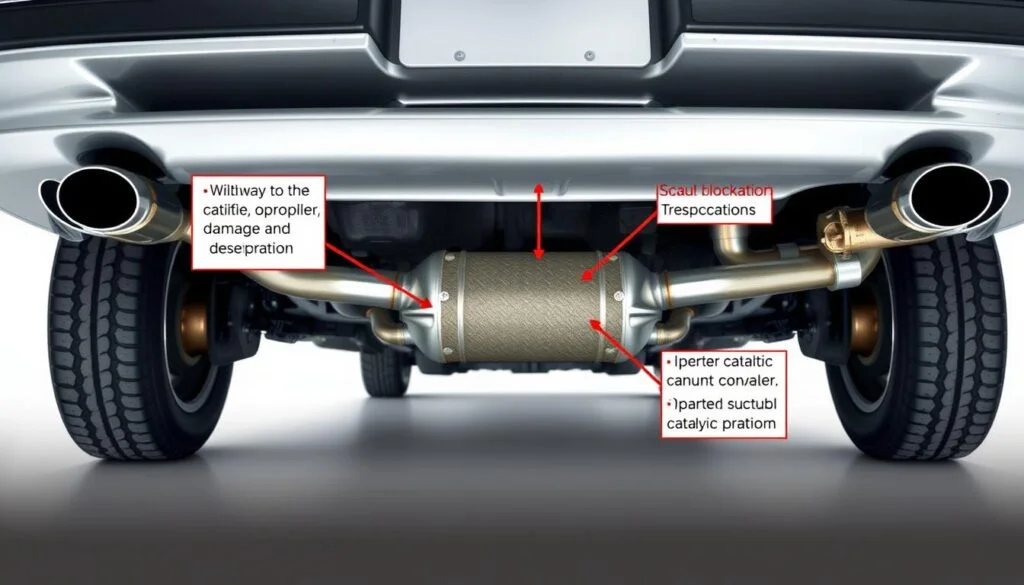
The catalytic converter on a Chevy Cavalier is located under the car, positioned in the exhaust system between the exhaust manifold and the muffler, almost in the middle of the vehicle. It helps clean exhaust gases efficiently.
This guide breaks everything down in clear, friendly language so you can feel empowered, informed, and ready to take great care of your Cavalier.
The Importance of the Catalytic Converter in Your Chevy Cavalier
The catalytic converter is one of the most valuable and mission-critical parts of your Chevy Cavalier. It keeps your engine running cleaner, smoother, and more efficiently—helping your vehicle stay compliant with emissions laws while delivering dependable mileage. Understanding this part brings confidence and control to any Cavalier owner.
Function in Emissions Control
The catalytic converter’s main job is to transform harmful exhaust gases into safer vapors before they exit the tailpipe. When your engine burns fuel, it produces pollutants such as carbon monoxide, nitrogen oxides, and hydrocarbons.
The converter uses precious metals like platinum and rhodium to trigger a chemical reaction that neutralizes these toxins.
For decades, automotive engineers and environmental agencies have agreed that catalytic converters are essential for reducing smog and meeting EPA emissions standards. Keeping this part healthy protects your car and your community.
Role in Engine Performance

While emissions are its primary role, the catalytic converter also directly affects how your Cavalier drives, accelerates, and breathes.
When it’s clear and functioning, exhaust flows smoothly, allowing the engine to perform at its best. But when it gets clogged or damaged, the engine must work harder, resulting in sluggish acceleration, higher fuel use, and even engine stalling.
A healthy converter means stronger performance, smoother idling, and better fuel savings—benefits every driver can appreciate.
Key Components of The Chevy Cavalier Exhaust System
To understand exactly where the catalytic converter sits, it helps to know the main parts of the exhaust system that surround and support it. Each component works together to filter, silence, and safely route exhaust gases.
Exhaust Manifold Overview
The exhaust manifold is the “starting point” of the exhaust system. It’s mounted on the engine and collects all the burnt gases produced during combustion. Once gathered, it funnels these gases into the catalytic converter.
Automotive experts reinforce that a properly sealed and functioning manifold is crucial, because any leak or crack upstream can cause incorrect air-fuel readings and damage the converter itself. This makes the manifold a critical partner to the converter.
Also Read: 2008 Dodge Ram Radio Wire Colors – Complete Wiring Guide!
Muffler and Exhaust Pipes
After passing through the converter, gases flow through the exhaust pipes and into the muffler. The muffler’s job is to quiet the sound of the engine by redirecting and absorbing noise waves.
These parts also help maintain proper exhaust pressure, which impacts how effectively gases can exit the catalytic converter. When the system flows freely, you enjoy better performance and a cleaner-running engine.
Where Is The Catalytic Converter Located on A Chevy Cavalier?
Now, let’s answer the main question directly and clearly.
Your Chevy Cavalier’s catalytic converter is mounted under the vehicle, attached to the exhaust system between the exhaust manifold (front of the car) and the muffler (rear of the car). Its exact position varies slightly by year, but it is always accessible from underneath.
General Location Overview
On most Cavaliers, the catalytic converter sits:
- Under the center section of the car
- Attached to the exhaust pipe
- Near heat shields that protect surrounding components
- Close to an oxygen sensor, which monitors exhaust quality
This location keeps it protected while still allowing it to heat up quickly—a key requirement for proper emissions reduction.
Variations by Model Year
Different Cavalier generations place the catalytic converter in slightly different spots:
- 1995–1999: Mounted closer to the front, near the exhaust manifold.
- 2000–2005: Positioned along the passenger-side exhaust line before the muffler.
- 2005–2009: Located farther downstream, slightly behind the muffler area.
These variations come from design improvements made to optimize emissions, heat management, and serviceability.
Catalytic Converter Identification and Characteristics
Spotting the catalytic converter is simple once you know what to look for.
Visual Characteristics Under the Vehicle
When you slide under your Chevy Cavalier, look for:
- A metal canister or oval-shaped chamber
- A durable, heat-resistant outer shell
- Welded connections to exhaust pipes
- Heat shielding for protection
It is usually larger than the muffler’s inlet pipe but smaller than the muffler itself.
Must Read: Will Dodge Truck Cap Fit Chevy – A Complete Guide In 2025!
How To Recognize the Catalytic Converter?
You can easily identify the converter by checking for:
- A chamber positioned between two exhaust pipes
- A metallic, slightly textured surface
- Oxygen sensor wiring nearby
- Thicker walls than standard exhaust tubing
Once you spot these features, you can confidently say you’ve located the catalytic converter.
Common Issues with The Chevy Cavalier Catalytic Converter
Like any major component, the catalytic converter can wear out or fail. Many of these issues are easy to detect early if you know what to look for.
Signs of a Failing Catalytic Converter

Common symptoms of trouble include:
- Sluggish acceleration
- Poor fuel economy
- Rattling sounds from under the car
- Rough idling or engine misfires
- Check Engine Light illumination
These signs often point to clogging or overheating, both of which reduce the converter’s ability to clean exhaust gases.
Impact on Vehicle Performance
A failing converter can cause:
- Power loss
- Hesitation during driving
- Higher emissions
- Strong sulfur or “rotten egg” smells
- Hard starting
These issues not only affect your driving experience—they can also cause the car to fail emissions tests or damage upstream engine components.
Steps To Access The Catalytic Converter on Your Chevy Cavalier
Accessing the converter is simpler than it may seem as long as safety comes first.
Preparation For Safe Access
Before starting:
- Park the car on level ground
- Let the engine cool completely
- Wear gloves and safety glasses
- Use jack stands or ramps, never only a jack
- Have adequate lighting under the car
With these steps, you create a safe, controlled environment.
Step-by-Step Access Guide
- Lift the vehicle securely using jack stands.
- Remove any protective shields blocking the exhaust line.
- Follow the exhaust pipe from the front of the car.
- Identify the converter by its shape and heat shield.
- Check connections, oxygen sensors, and mounting points.
Once visible, you can inspect the converter for cracks, clogging, or loose fittings.
Catalytic Converter Removal and Replacement Process
If replacement is needed, preparation and proper tools make the job smoother.
Tools Needed For Replacement
You may need:
- Jack + jack stands
- Ratchet and wrenches
- Penetrating oil for rusted bolts
- Pipe cutter or saw (if welded connections exist)
- Screwdrivers
- Safety gear
These tools make removal safer and more efficient.
Safety Precautions During Replacement
Before replacing:
- Ensure the car is fully secured
- Avoid touching hot components
- Unplug oxygen sensors safely
- Keep your face and hands clear when loosening bolts
- Wear protective gloves and goggles
Following these practices lowers the risk of injury and ensures proper installation of the new part.
You Should Know: Does Costco Install Car Batteries – What You Need to Know!
Cost of Catalytic Converter Replacement For Chevy Cavalier
Understanding cost helps you plan ahead and make informed decisions.
Factors Influencing Replacement Costs
Prices vary due to:
- OEM vs. aftermarket converter
- Labor rates in your area
- Condition of surrounding exhaust parts
- Difficulty of accessing the converter
- Local emissions regulations
OEM parts are more expensive but often last longer and perform better.
DIY vs. Professional Cost Estimates
If replacing it yourself, expect to spend:
- $200 to $500 for parts
Professional replacement costs:
- $800 to $2,500, depending on parts and labor
- Extra costs if oxygen sensors or pipes also need replacement
DIY saves money but requires confidence and the right tools. Professionals provide warranty, expertise, and peace of mind.
2010 where is the catalytic converter located on a Chevy Cavalier
The 2010 Chevy Cavalier doesn’t exist because production ended in 2005, but Cavaliers built in the final years place the catalytic converter under the car, mounted between the exhaust manifold and muffler, usually near the middle of the exhaust system.
2006 where is the catalytic converter located on a Chevy Cavalier
Chevy stopped making the Cavalier before 2006, but models close to that year have the catalytic converter located underneath the vehicle, placed along the exhaust pipe between the exhaust manifold and muffler, easy to spot as a metal, heat-shielded canister.
FAQs
Where is the catalytic converter located on a Chevy Cavalier?
It sits under the car, placed in the exhaust system between the exhaust manifold and the muffler, usually near the middle of the vehicle for easy access.
What are common issues with a Chevy Cavalier’s catalytic converter?
Common issues include clogging, poor acceleration, rattling noises, higher fuel use, and the check engine light, all caused by wear, overheating, or engine problems.
How can I identify a failing catalytic converter?
You may notice slow acceleration, bad smells, rattling sounds, poor mileage, or a check engine light, all signs the converter isn’t cleaning exhaust properly.
What tools are needed to replace a catalytic converter?
You need a jack, jack stands, wrenches, ratchets, penetrating oil, and safety gear, which help you remove old bolts and safely install the new converter.
What is the cost range for replacing a catalytic converter on a Chevy Cavalier?
Most replacements cost $800–$2,500 professionally, while DIY parts usually cost $200–$500, depending on converter type, labor rates, and extra needed repairs.
How can I safely access the catalytic converter?
Park on level ground, let the engine cool, use jack stands, wear gloves and eye protection, and check under the exhaust line for the converter.
How does the catalytic converter impact engine performance?
A healthy converter keeps exhaust flowing smoothly, helping your engine run cleaner, accelerate better, and use less fuel, improving overall performance and reliability.
Conclusion
Understanding where the catalytic converter is located on your Chevy Cavalier—and knowing how it works—gives you real confidence when caring for your car. This small but powerful component plays a huge role in keeping your engine clean, smooth, and efficient. By recognizing common issues early, safely accessing the converter, and knowing your repair options, you can avoid expensive problems and keep your Cavalier running at its best.
Whether you’re troubleshooting, planning maintenance, or simply wanting to learn more, being informed puts you in control. With the right knowledge and care, your Chevy Cavalier can stay reliable, efficient, and ready for the road ahead.